How your home can Improve Your Health and Wellbeing
Ever walked into a room and instantly felt happier? Or, on the flip side, found yourself feeling drained in a dull, cluttered space? Well, it’s not just you! Architecture and interior design have a huge impact on our health, mood, and overall well-being. From the way light filters through a window to the layout of your furniture, the spaces we live and work in shape how we feel every single day. Let’s dive into how good design can make you healthier and happier!
Let There Be (Natural) Light!
Sunlight is basically nature’s energy drink. Exposure to natural light helps regulate our circadian rhythm, improves sleep, and even boosts productivity. Studies show that people working in naturally lit spaces are happier and more focused than those stuck under harsh artificial lights.
Quick Fix:
Use sheer curtains or blinds to maximize daylight.
Position desks and seating areas near windows.
Consider light-reflecting surfaces to spread natural light.
The Magic of Biophilic Design
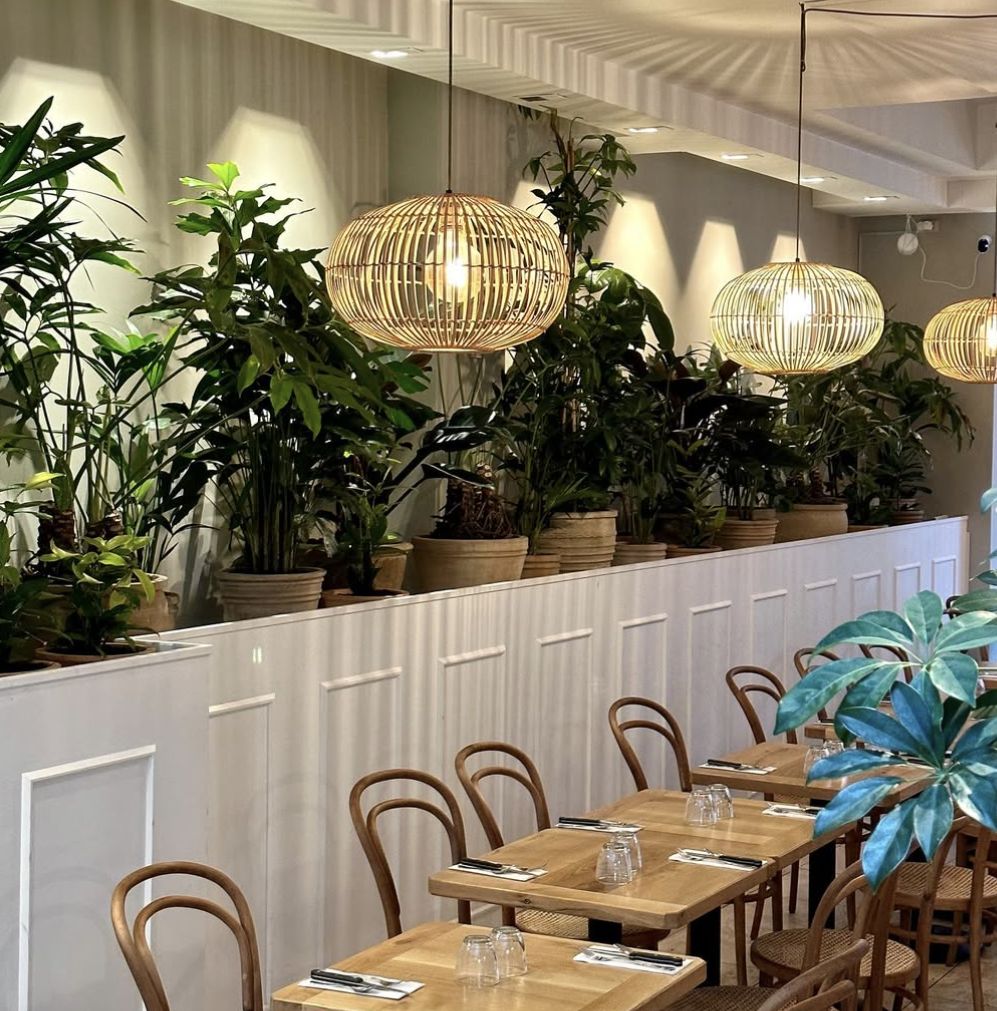
Biophilic design is a fancy way of saying “bring the outdoors in.” Adding natural elements to your space, like plants, water features, or even nature-inspired textures, can reduce stress, lower blood pressure, and improve creativity.
Quick Fix:
Place houseplants around your home (bonus: they clean the air!).
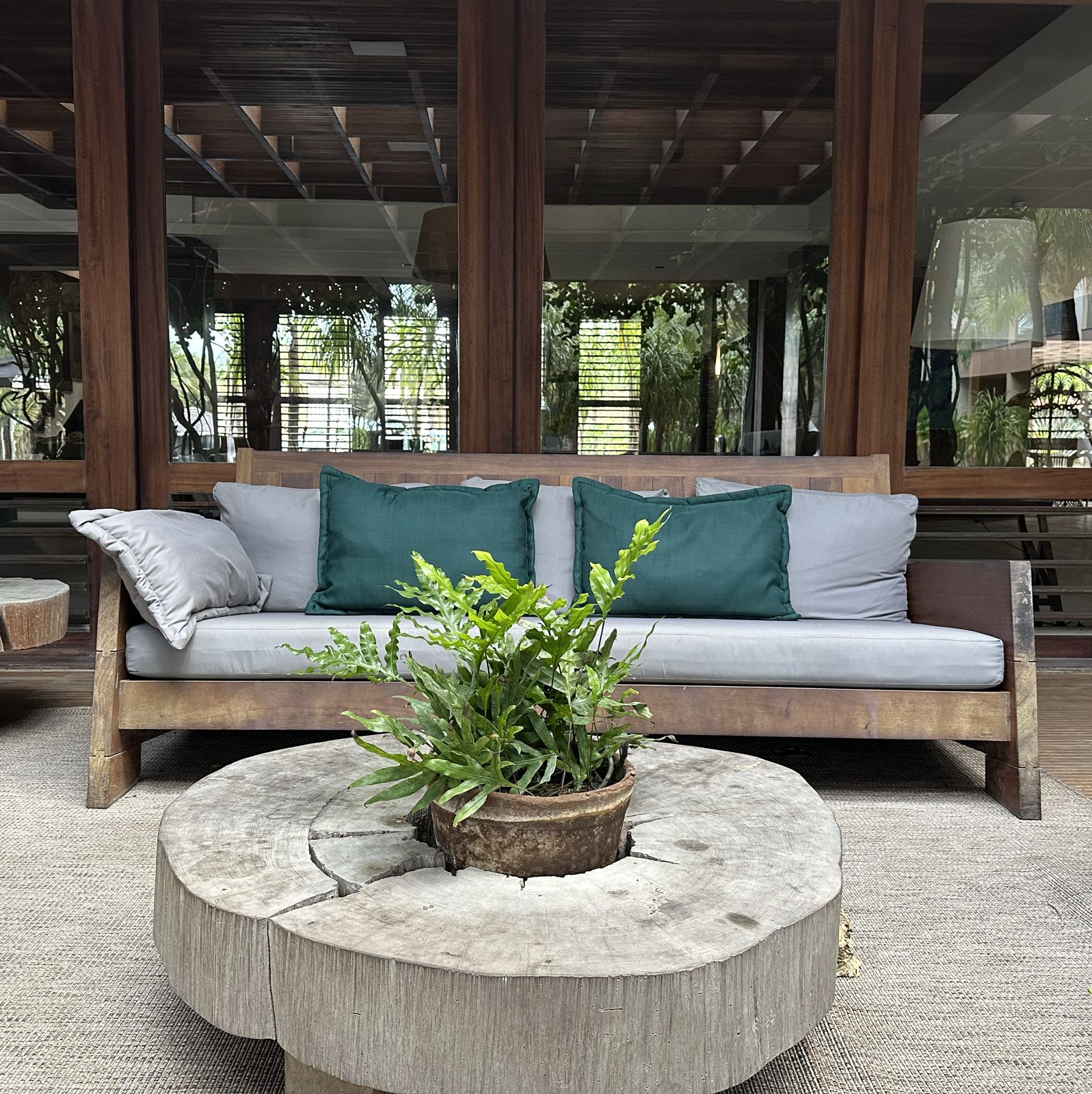
Use wooden furniture and stone textures for a grounded feel.
Set up a small indoor fountain or even a desktop Zen garden.
Color Psychology: More Than Just Aesthetic
Colors aren’t just for Instagram aesthetics—they affect our mood and energy levels too!
Blue & Green = Calm and relaxation (perfect for bedrooms and offices).
Yellow & Orange = Energy and positivity (great for kitchens and creative spaces).
Red = Passion and stimulation (use sparingly unless you want your living room to feel like a nightclub!).
Quick Fix:
Paint accent walls in calming colors.
Use colorful decor like pillows, rugs, or artwork to shift the vibe.
Avoid overly dark, oppressive color schemes in small spaces.
The Power of Texture and Materials
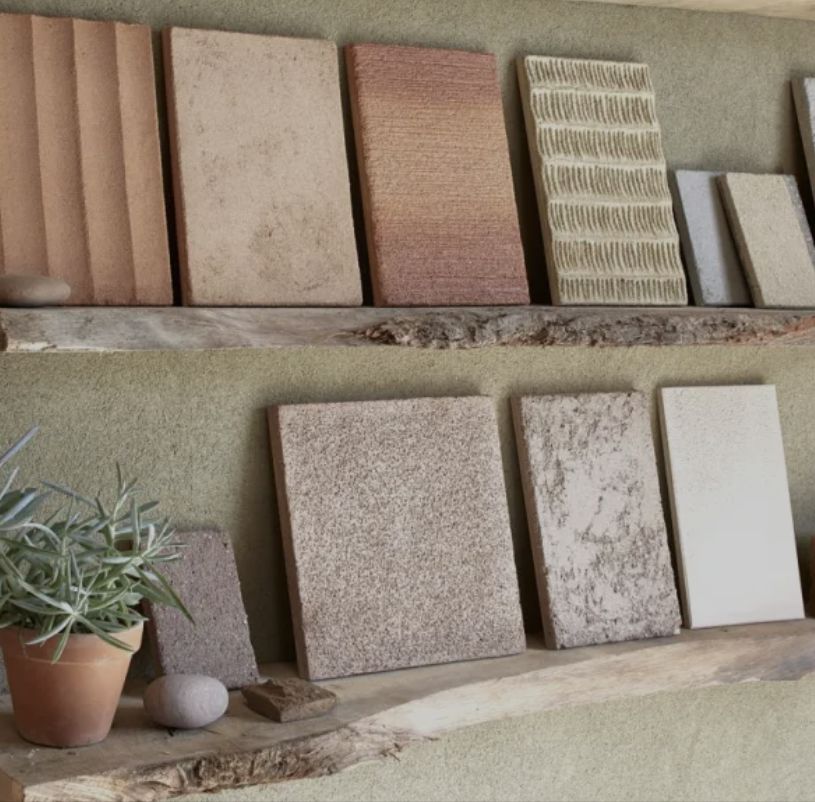
Textures play a big role in how a space feels. Smooth, glossy surfaces can feel modern but sometimes cold, while soft, natural fabrics add warmth and coziness. Balance is key!
Quick Fix:
Layer different textures—mix soft throws, wooden tables, and metal accents.
Opt for sustainable, non-toxic materials (healthier air quality!).
Use rugs and curtains to add warmth and improve acoustics.
Creating Spaces for Mindfulness
Whether it’s a reading nook, meditation corner, or even a spa-like bathroom, having a space dedicated to relaxation can do wonders for your mental health.
Quick Fix:
Set up a cozy corner with a comfy chair and soft lighting.
Use calming scents like lavender or eucalyptus.
Dedicate a screen-free zone for unwinding.
The Takeaway
Your environment has a profound impact on your health and happiness. By making small, intentional design choices, you can create a space that nurtures your body, mind, and soul. Whether it’s optimizing natural light, embracing biophilic design, or simply decluttering, every change counts.
So, next time you feel off, take a look around—your space might just need a little TLC!
If you still not sure how to start get in touch and see if we can help in any way!