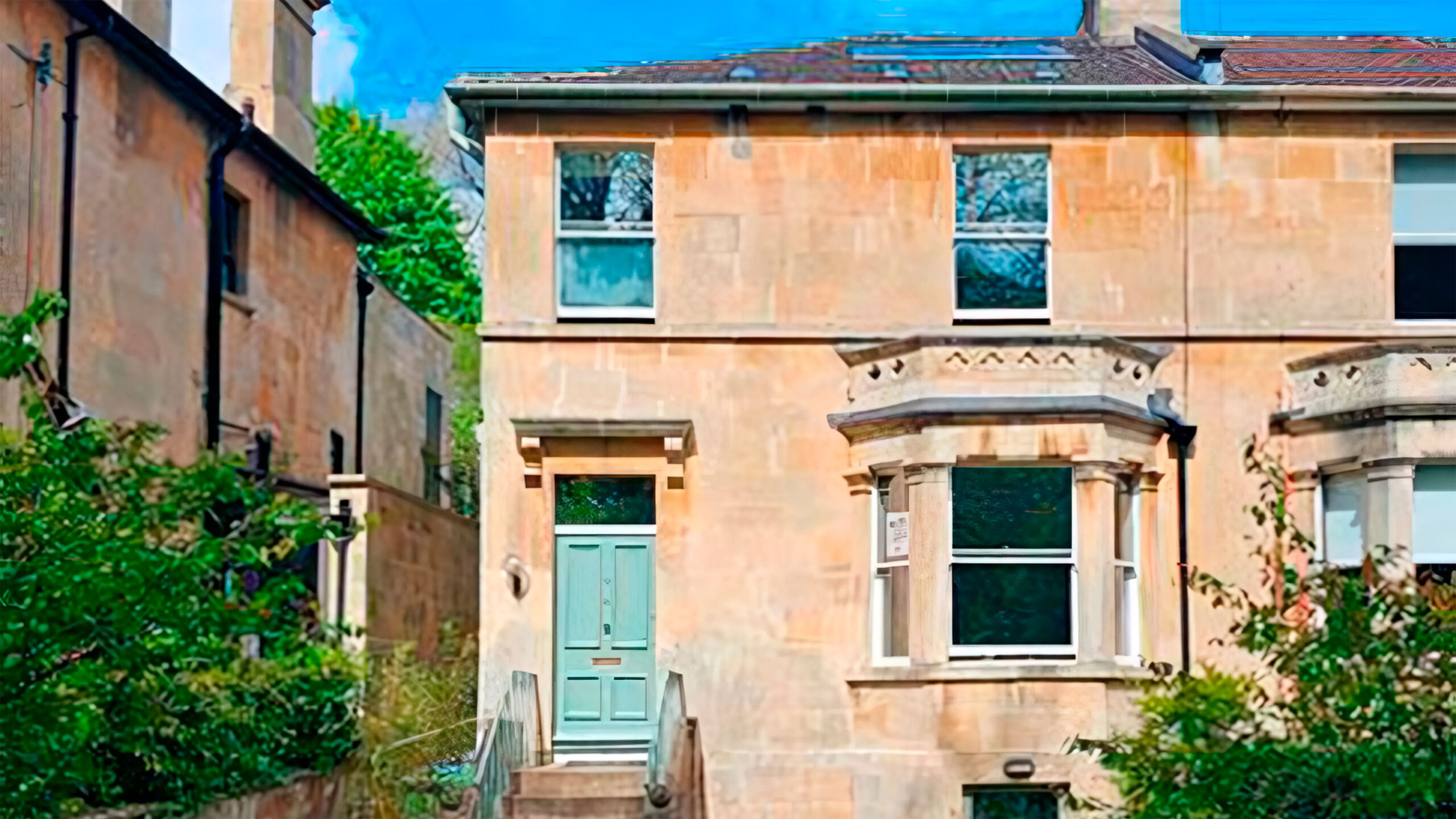
How a Victorian Home in Bath cut Its CO₂ Emissions by 65%—And How You Can Too
Did you know that energy use in homes accounts for over 20% of the UK’s carbon emissions? If we are to meet our net-zero targets, retrofitting our homes is essential. Yet, for many homeowners, the idea of upgrading insulation, changing heating systems, or investing in renewables can feel overwhelming and costly.
The good news? The benefits far outweigh the effort. Lower energy bills, a warmer and healthier home, and a significantly reduced carbon footprint are all within reach.
Take the example of a three-bedroom Victorian house in Bath, England. The owners took strategic steps to improve their home’s efficiency, and as a result, they cut their heating costs and CO₂ emissions by over 65%. Here’s how they did it—and how you can too.
Reducing Heat Loss: The First and Most Important Step
One of the biggest challenges with older homes is heat loss. By improving insulation and upgrading windows, this household significantly reduced the amount of heat escaping, making their home far easier to keep warm.
- Attic Insulation: The existing 50mm of insulation was increased to 270mm, helping to prevent heat from escaping through the roof.
- Internal Wall Insulation: 110mm of insulation and plasterboard were added to external walls, with return panels on adjoining walls to avoid cold bridges.
- Triple-Glazed Windows: With a U-Value of 0.87W/m²K, these new windows dramatically outperformed their old single-glazed ones (which had a U-Value of around 5W/m²K).
These measures alone transformed their home’s ability to retain heat, reducing the need for constant heating.
Boosting Energy Efficiency: Smarter Heating for a Warmer Home
Heating is one of the biggest contributors to household energy use. By upgrading their system, the owners slashed their energy consumption:
- Gas Fire Upgrade: They replaced an outdated gas fire (44% efficiency) with a modern model (over 80% efficiency).
- New Boiler: Their old gas boiler (40% efficiency) was swapped for a condensing boiler (88% efficiency). If they were doing the retrofit today, they would opt for an air-source heat pump instead.
- Underfloor Heating: Installed on the ground floor, this system runs at a lower temperature (50°C) than traditional radiators (75°C), making it much more efficient.
Together, these changes made heating their home cheaper and far more sustainable.
Renewable Energy: Free Hot Water for Most of the Year
The final piece of their retrofit was adding a solar thermal panel on their south-facing roof. From March to November, this system provides hot water at zero cost—dramatically reducing their reliance on gas.
Want to Retrofit Your Home? We Can Help!
If you’re looking to make your home warmer, healthier, and more energy-efficient while cutting your bills and carbon footprint, retrofitting is the way forward.
We offer expert consultation to help you find the best solutions for your home—whether it’s insulation, window upgrades, heating improvements, or renewable energy.
Get in touch today, and we’ll send you a free presentation from our recent Sustainability Talk, covering the key retrofit projects that make the biggest impact.
Email us now to start your journey toward a more energy-efficient home!